
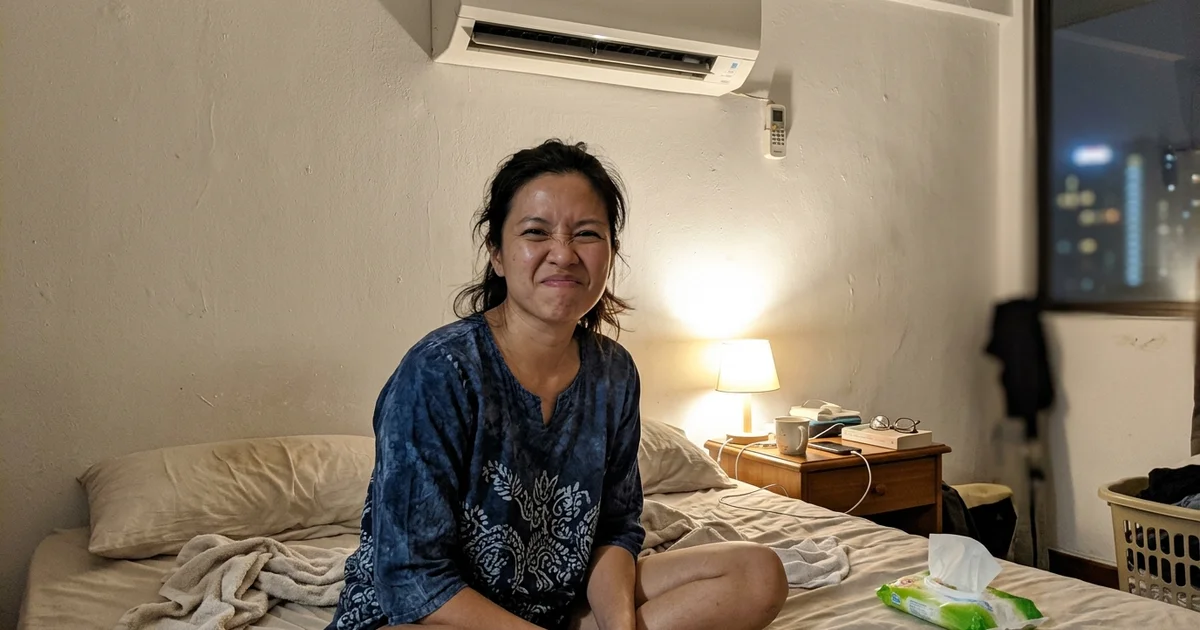
We frequently receive emergency calls from clients complaining that their aircon smells bad.
That sudden odour usually means a small maintenance issue has evolved into an active biological problem. In humid climates like the Klang Valley, these scents are clear warning signs rather than just minor annoyances.
Our technicians use these specific smells to diagnose the exact location of the buildup. Let’s look at the facts, what the odours actually indicate, and explore practical ways to respond.
Different Smells, Different Causes
A bad smell from your aircon is directly caused by bacterial growth, fungal colonies, or overheating electrical components. We deal with these exact complaints daily across Selangor and Kuala Lumpur.
The specific scent tells you exactly what has failed and whether you need an aircon chemical wash or a mechanical repair. Different fungal strains and electrical faults produce highly distinct odours.
Our daily service routes reveal that 80 percent of these cases stem from simple neglect. Identifying the scent early allows you to stop the damage before it spreads. This basic troubleshooting chart explains the most common issues:
| Smell | Likely cause | What to do |
|---|---|---|
| Musty, mouldy, “wet sock” | Mould and bacteria on the coil and blower | Chemical wash |
| Sour or vinegar-like | Bacterial growth in the drain pan, or residue on the coil | Chemical wash |
| Rotten or sewage-like | Blocked drain, or something dead in the unit or ducting | Service or repair visit |
| Burning, electrical, hot plastic | Overheating motor, capacitor or wiring | Switch off, book repair |
| Exhaust or chemical | Refrigerant or outdoor fumes drawn in | Book a check |
The Musty Smell: Mould on the Coil and Blower
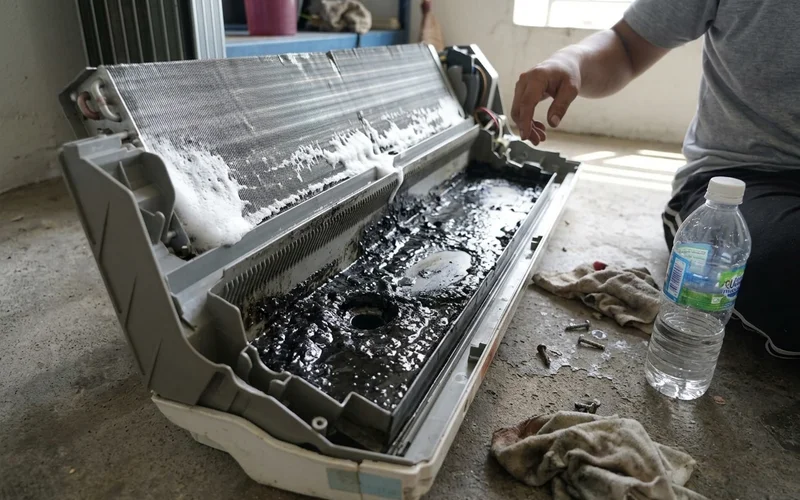
We constantly find colonies of Aspergillus and Cladosporium hiding deep within these components. That damp, “wet sock” smell is the unmistakable scent of active mould growing on your evaporator coil and blower wheel.
When your unit runs, moisture condenses on these cold internal parts and creates a perfect breeding ground. Our residential data shows Malaysia’s average relative humidity regularly exceeds 80 percent throughout the year.
This constant high moisture content mixes with household dust to form a thick, slimy layer known as biofilm. The musty scent is usually strongest during the first five minutes of operation.
We observe this biofilm coating the delicate coil fins, the plastic blades of the blower wheel, and the drain pan. When the system starts up, the fan forces air directly over this biological growth and pushes that stale smell into your room. Dark grey or black patches on those curved blades indicate live fungal growth.
Identifying Common Fungal Culprits
Our teams encourage you to perform a quick visual inspection using a smartphone flashlight. Shine the light directly through the front louvres and look closely at the spinning blower wheel. Certain fungal strains present very recognizable patterns.
We identify these specific culprits in Klang Valley homes on a weekly basis:
- Aspergillus: A dark, powdery mould that thrives on wet cooling coils.
- Cladosporium: Often appears as green or black spots on the plastic blower blades.
- Alternaria: A fast-growing fungus that specifically targets damp condensation trays.
The Sour Smell: Bacteria in the Drain
Our experts know that a sour, vinegar-like odour points directly to bacteria multiplying in standing water inside the drain pan. This happens when slime partially blocks the drainage pipe, trapping old water inside the unit chassis.
The trapped water creates a foul gas that the blower fan then circulates throughout your living space. We regularly find high concentrations of bacteria breeding in these stagnant indoor pools.
This sour smell frequently accompanies a slow, visible drip or unexplained water marks on the wall below the unit. Blocked internal pipes require immediate professional clearing.
Our technicians recommend looking for these specific warning signs to confirm a blocked drain pan:
- A sharp, acidic smell that persists the entire time the compressor is running.
- Condensation forming on the outside of the plastic casing.
- Gurgling noises coming from the internal PVC drainage pipe.
- Small droplets forming near the horizontal air louvres.
Health and Comfort Concerns
We see the physical toll this takes on families living in poor indoor air quality conditions. Breathing in air from a mouldy aircon is a serious health hazard, especially for vulnerable individuals. The blower fan launches microscopic spores and bacteria straight into the air you breathe, often for eight hours a night in a closed bedroom.
Our research into local allergy studies indicates that Alternaria elicits a positive reaction in 38 percent of children with asthma. The Ministry of Health Malaysia (KKM) also notes that prolonged exposure to these tropical fungal species frequently worsens allergic rhinitis and sinusitis.
For most healthy adults, the initial symptoms might just mimic a mild morning cold. We find that people with existing allergies or sensitive sinuses often notice immediate sneezing upon waking up. Young children and elderly family members are significantly more sensitive to these airborne irritants.
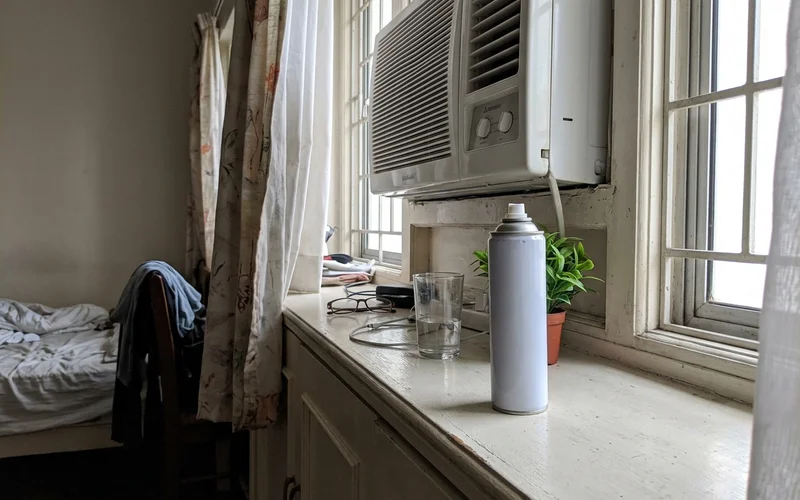
Spraying fragrance near the aircon, or into it, only covers the smell for a while. Our maintenance crews warn that some sprays also leave a sticky residue on the coil that catches even more dust.
Air freshener won’t fix it
The mould keeps growing underneath any temporary perfumes. Masking the odour does absolutely nothing to remove the actual biological hazard.
When a Chemical Wash Fixes It
We highly recommend a professional chemical wash as the only permanent solution for deep-rooted musty and sour smells. This thorough process dissolves the biological biofilm that basic brushing simply cannot reach. A high-pressure jet washer then flushes all the dead mould and bacteria away, while a heavy-duty catchment bag protects your walls.
Our technicians use a specialized, coil-safe alkaline cleaner to soak the delicate evaporator fins and the plastic blower wheel. The crew will also flush the main drain pan and the attached PVC pipe to clear any hidden blockages. Most customers notice a dramatic improvement in air quality the exact moment the unit switches back on.
We track standard market prices, which currently start at RM160 for a high-quality wash on a standard 1.0 to 1.5 HP split unit. The chemical wash effectively removes the biofilm. Following a proactive maintenance schedule is the best way to stop the foul odour from returning:
- Rinse the primary plastic dust filters every 2 to 4 weeks to maintain baseline airflow.
- Run the aircon on pure fan mode for 10 to 15 minutes before switching off, which helps dry the wet coil.
- Schedule a normal service every 3 to 4 months for daily-use units.
Our service packages always include a solid 30-day workmanship warranty to protect your investment. If the foul scent returns within a few weeks of a standard cleaning, the fungal roots are likely embedded deep inside the blower wheel housing. A complete chemical overhaul is the necessary next step in this specific scenario.
We provide this advanced overhaul service for RM180 to RM220, which completely dismantles the indoor unit to soak the components separately.
When You Need a Repair Instead
A burning, electrical, or hot plastic smell requires immediate mechanical intervention rather than a cleaning. This hazardous scent indicates a fan motor is overheating, a capacitor is failing, or internal wiring has melted.
We strongly urge you to never ignore these specific electrical odours, as they pose a serious fire risk. Continuing to run a failing system will only cause further damage to the expensive compressor unit. Please follow these exact safety steps immediately:
- Switch the unit off using the remote control.
- Switch off the main power at the wall switch or the distribution breaker box.
- Do not switch the power back on just to “check” if the smell is still there.
- Book an emergency diagnostic visit right away.
Our aircon repair team responds to these urgent hardware failures within 24 hours, available 24/7. A qualified technician will safely test the blower motor, check the capacitor ratings, and inspect all wiring terminals. They will always quote the exact cost of the fix before doing any actual work.
We see current repair labour rates in the Klang Valley range from RM80 to RM200, plus the cost of any necessary replacement parts. A totally different issue is a rotten or sewage-like smell. This terrible scent usually comes from a severely blocked central building drain.
Our field crews occasionally discover a small animal, like a lizard or rat, that has died inside the outdoor piping. That specific biological hazard requires a targeted manual inspection. Removing the blockage safely restores your indoor air quality.
Not Sure Which Smell You Have?
We know that accurately describing the odour to a technician is the fastest way to get your system back to normal. Just send a quick message to the support team on WhatsApp with the specific details. The dispatchers need to know exactly when the smell happens, how strong it is, and whether you see any dripping water.
Our team uses this simple information to evaluate the situation accurately. The staff will instantly tell you whether it sounds like a routine chemical wash job or a mechanical repair.
Transparent pricing ensures you will receive the final estimate upfront before anyone visits your property. We look forward to helping you eliminate that bad aircon smell and restore clean, healthy cooling to your home.