
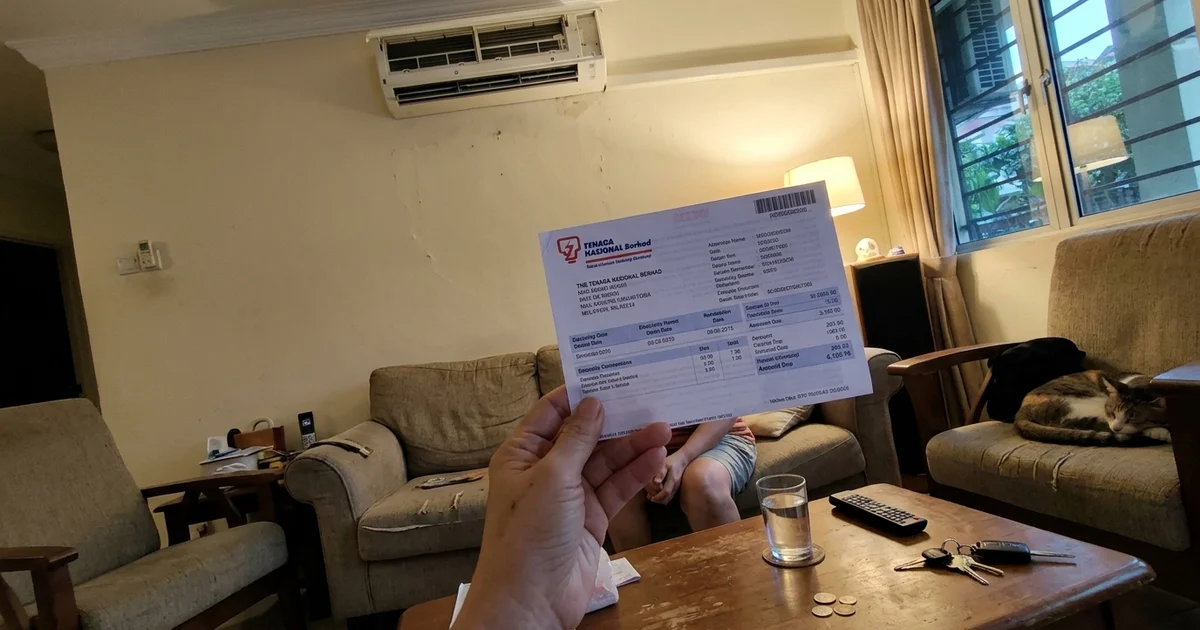
We constantly see Klang Valley homeowners caught off guard by a sudden spike in their monthly utilities.
This situation is incredibly common when cooling systems account for up to 60% of household power usage.
Our technicians know that understanding the aircon servicing electricity bill connection is the most reliable way to reverse that slow, quiet creep in running costs.
A neglected unit choked with dust forces the compressor to draw up to 15% more power just to reach your desired temperature.
We will break down the mechanics behind this power drain and outline practical steps, including scheduling your next aircon servicing, to help you take control today.
Yes, If Your Unit Is Dirty
Regular cleaning definitely lowers your TNB statement if your system is currently choked with dust and grime.
A basic service restores your unit to its normal operational efficiency, translating directly into lower power consumption.
Our teams frequently measure a noticeable drop in amperage draw immediately after clearing a heavily soiled filter.
If your system was already clean, routine maintenance acts as a preventative measure to stop the slow increase in running costs.
The connection between a dirty aircon, high TNB bill charges, and reduced comfort is exactly why routine care pays for itself.
How a Dirty Aircon Uses More Power
Your air conditioner cools a room by pulling warm indoor air across a cold evaporator coil and then dumping that heat outside.
The compressor in the outdoor unit handles the heavy lifting, accounting for nearly 70% of the system’s total electricity consumption.
Our repair logs show that three specific types of dirt force this critical component to work much harder.
Clogged filters. The filter is the first barrier air passes through. When dust packs the mesh, airflow drops significantly, meaning the coil cannot absorb as much heat. We know that a clogged filter alone can reduce system efficiency by 5 to 15%, forcing the compressor into longer cooling cycles.
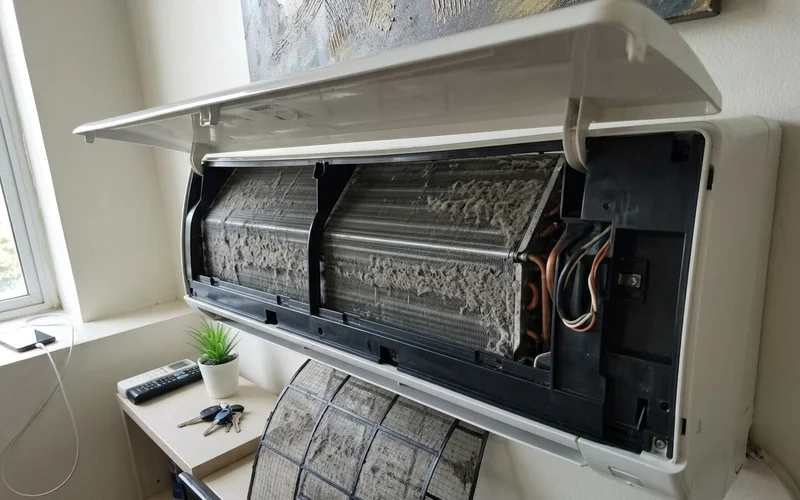
A fouled evaporator coil. Dust that bypasses the filter inevitably sticks to the damp indoor coil fins. This grime builds up over months and acts as an insulating blanket across the metal surface. Our technicians often see this insulation effect drastically slow down heat transfer, causing the room to cool much more slowly.
A dirty outdoor condenser. The outdoor unit must shed the heat collected from inside your room. If leaves, grime, or dust block its fins, the heat gets trapped, driving up the internal operating pressure. High pressure forces the compressor to draw more amps, which directly inflates your daily electricity costs.
We also check for secondary issues like a dirty blower fan or low R32 refrigerant levels, as these will ruin performance regardless of runtime.
What this looks like day to day
You set 24°C, but the room never quite gets there. The outdoor unit hums away for hours. You start lowering the temperature to compensate, which makes the compressor work even harder. That’s a sign the unit needs cleaning, not a colder setting.
What a Service Restores: The Aircon Servicing Electricity Bill Connection
A standard general service washes the filters, vacuums the indoor unit, clears the drain pan, and verifies the operating parameters.
This basic package is highly effective and costs RM120 for a standard wall-mounted unit with our team.
Our service teams find that this routine clearing alone restores proper airflow for most residential systems.
If the internal components are heavily soiled, a chemical wash is the necessary upgrade.
This deep cleaning method soaks and flushes the coil and blower wheel, removing stubborn mold that a basic wipe-down cannot reach.
We highly recommend this for units that have skipped maintenance for over a year, as the difference in cooling speed is immediate.
Here is a quick breakdown of what to expect during these visits:
| Service Type | Our Price (1.5HP) | Best For | Expected Result |
|---|---|---|---|
| General Service | RM120 | Units serviced every 6 months | Restored airflow, cleared filters |
| Chemical Wash | RM160 | Units unserviced for 12+ months | Deep mold removal, peak efficiency |
During a visit, our technicians also look out for hidden power drains, such as struggling fan motors or failing capacitors.
We will always report these findings to you and provide a clear quote before initiating any additional repairs.
Habits That Cut Your TNB Bill
Routine maintenance only covers half of the equation when managing your utility costs.
How you control the system daily makes a massive difference in your monthly energy expenditures.
For residents wanting to see their aircon save electricity, Malaysia presents a tough climate, but smart habits multiply the savings gained from a clean unit.
Our experts always remind customers that adjusting a few settings yields immediate financial benefits.
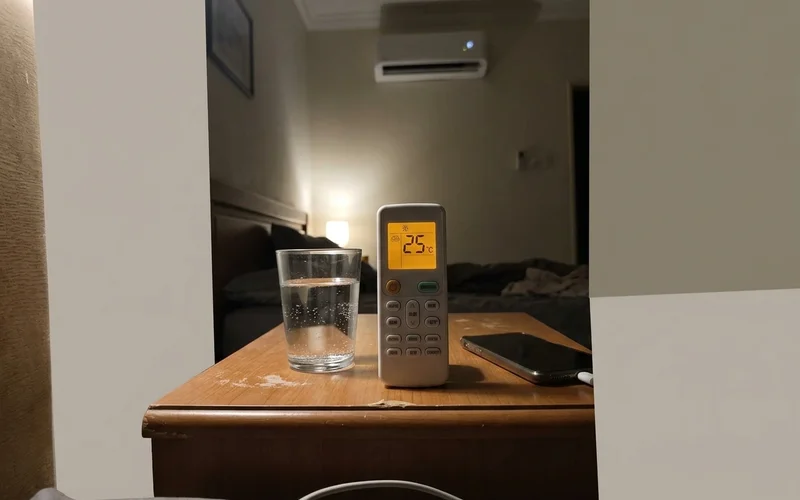
Here are the most effective daily adjustments to lower your power usage:
- Set it to 24°C or 25°C. TNB officially recommends this temperature range for the best balance of comfort and efficiency. Dropping the thermostat below 24°C forces the compressor to run much longer, increasing your cooling costs by roughly 10% per degree.
- Use the sleep timer. Program the unit to shut down an hour before your alarm rings. The lingering cold air keeps the room comfortable while the machine rests.
- Seal the room. Cooling a bedroom that leaks air under the door wastes massive amounts of electricity.
- Block out the sun. Drawing blackout curtains on west-facing windows physically reduces the ambient heat your system must fight against.
- Wash filters bi-weekly. Rinsing your primary dust filters is completely free and maintains optimal airflow between professional visits.
- Pair with a ceiling fan. Moving air creates a wind-chill effect, allowing you to comfortably set the thermostat a degree or two higher.
When Replacing Beats Servicing
Sometimes, pouring money into maintaining an obsolete machine simply does not make financial sense.
If your non-inverter air conditioner is pushing 10 to 15 years old, its baseline energy consumption will always be high.
Our calculations show that even a flawless cleaning cannot force an old system to match the efficiency of a modern inverter unit.
Inverter compressors intelligently reduce their speed once the room reaches the target temperature, rather than constantly cycling on and off.
This variable-speed technology dramatically cuts electricity usage in living spaces or bedrooms where the cooling runs for eight hours a day.
We strongly advise looking for the Suruhanjaya Tenaga (Energy Commission) 5-star energy label when shopping for a replacement.
| System Type | Compressor Operation | Energy Efficiency |
|---|---|---|
| Older 3-Star Non-Inverter | Constantly cycles fully on and off | High baseline power consumption |
| Modern 5-Star Inverter | Adjusts speed intelligently | Up to 40% less electricity used |
A modern 5-star inverter can easily slash your running costs compared to an outdated model.
Our comprehensive guide to inverter vs non-inverter aircons breaks down the exact running cost differences in ringgit.
If you are unsure whether your current unit is worth saving, send the brand, age, and horsepower rating to our WhatsApp support line.
We will evaluate the specifications honestly, and if maintenance is all it takes to improve your aircon servicing electricity bill situation, we will gladly book the appointment.